Farming has always been a demanding job, but modern times call for modern solutions. As agriculture evolves with technology, small-scale farmers are increasingly turning to tools that not only increase productivity but also reduce the physical burden of manual labor. Among these, the micro excavator stands out as a surprisingly versatile and essential machine. Though originally designed for construction tasks in tight urban areas, micro excavators have found a new and important role in agriculture—especially for small landholders, orchard growers, organic farmers, and homesteaders.
Compact, powerful, and efficient, micro excavators have changed the way farming tasks are approached. They bring machinery-level performance into spaces where large equipment simply cannot go. From digging trenches for irrigation to preparing soil for planting or building fencing and drainage systems, these machines are becoming indispensable allies for farmers who want to cultivate smarter, not harder.
What is a Micro Excavator?
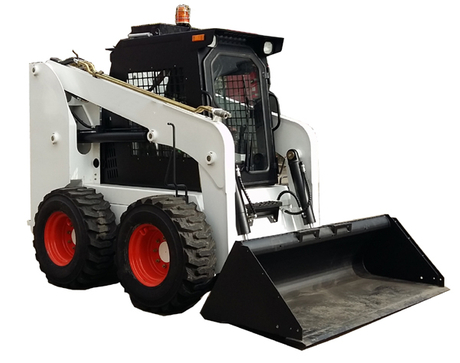
A micro excavator is a compact piece of heavy equipment that typically weighs less than one ton and is designed for working in confined or narrow areas. Often no wider than a standard doorway and small enough to be transported on a trailer or even a pickup truck bed, these machines can access spaces where larger excavators simply cannot fit. Despite their size, they pack significant power for digging, lifting, grading, and moving soil or materials.
Most micro excavators operate on rubber tracks, which provide stability and reduce ground disturbance—crucial when working on delicate farmland or within greenhouse environments. The machine usually includes a boom, arm, and bucket system, and many models can be equipped with attachments like augers, rippers, and hydraulic hammers, making them even more versatile.
Why Small-Scale Farmers Are Turning to Micro Excavators
For decades, small farmers relied on manual labor or traditional tools such as hoes and shovels. While tractors and larger machines revolutionized commercial farming, they often proved too bulky or expensive for small-scale operations. Micro excavators offer a much-needed middle ground: compact enough to work on small plots of land, yet powerful enough to handle a wide range of agricultural tasks.
One of the most compelling reasons for their growing popularity is the ability to save time and labor. Tasks that used to take several hours or even days can now be completed in a fraction of the time. A trench that might require two people and a full day to dig manually can be finished in under an hour with a micro excavator. This kind of time-saving efficiency allows farmers to focus on more critical aspects of their work, such as crop planning and soil management.
Moreover, micro excavators are relatively easy to learn and operate. With user-friendly controls and intuitive handling, farmers with little or no previous experience with machinery can become competent operators in just a short amount of time. This accessibility lowers the barrier to mechanization for many who otherwise wouldn’t consider using heavy equipment.
Key Agricultural Tasks Made Easier by Micro Excavators
Micro excavators can be used in a surprisingly wide range of agricultural activities. Their utility goes well beyond digging holes. Some of the most common applications on small farms include:
Soil Preparation
Breaking ground and preparing soil for planting is one of the most labor-intensive tasks in farming. Micro excavators can be used to turn over compacted earth, clear rocks and roots, and level planting beds. With the appropriate bucket or rake attachment, they can help improve soil aeration and drainage.
Digging Irrigation Trenches
Efficient water management is critical to successful farming. Micro excavators make it easy to dig precise trenches for irrigation pipes or drip lines. Their compact size allows them to maneuver between rows of crops or around existing plants without causing damage.
Installing Fencing
Whether enclosing livestock or protecting crops, fencing is a common requirement on farms. Post hole digging is a physically demanding and repetitive task, but micro excavators with auger attachments make quick work of it. Posts can be set more consistently, and at the correct depth, which improves the durability and appearance of the fence.
Tree Planting and Orchard Work
For farmers who grow fruit or nut trees, micro excavators are excellent tools for digging deep and wide planting holes. They can also help with mulching, root removal, and pruning-related cleanup. The maneuverability of these machines makes them perfect for navigating between rows in a young orchard.
Building and Maintenance
Micro excavators also play a crucial role in farm infrastructure. Whether you're laying foundations for greenhouses, digging footings for sheds, or clearing drainage ditches, these machines simplify the kind of heavy lifting and digging that otherwise require significant manpower. They can also be used to remove fallen trees, transport compost, and clean animal enclosures.
Economic Advantages
One of the biggest hesitations farmers may have when considering a micro excavator is the initial cost. However, the long-term benefits make them a worthwhile investment. With proper care and maintenance, these machines have a long service life and offer substantial returns in saved labor, time, and increased productivity.
Fuel consumption for micro excavators is also significantly lower compared to larger machines, making them cost-effective to operate daily. Many models offer excellent fuel efficiency and require less frequent servicing due to their simpler mechanical design.
Additionally, owning a micro excavator can create new income opportunities. Farmers can offer services to neighboring landowners, such as trenching, land clearing, or digging water lines, using the machine when it’s not needed on their own land.
Environmental and Soil-Friendly Benefits
Traditional heavy machinery can be destructive to soil structure, causing compaction that negatively affects water absorption and root growth. Micro excavators, thanks to their low weight and rubber tracks, exert much less pressure on the ground. This allows for more sustainable land management, preserving the health of the soil while still enabling mechanized work.
Because they are smaller and more precise, micro excavators also reduce the chances of damaging plants or root systems, making them particularly suitable for organic and no-till farming operations where maintaining soil integrity is a top priority.
Growing Accessibility and Technological Advancements
As demand increases, manufacturers are producing more models with improved features tailored to farming needs. Today’s micro excavators come equipped with enhanced hydraulic systems, quick-coupler designs for easy attachment changes, and even electric options for environmentally-conscious farmers.
Affordability has also improved, with more cost-effective models entering the market and flexible financing or leasing programs becoming available. This makes ownership possible for a broader range of farmers, even those operating on tight budgets.
Real-Life Impact on Farming Communities
Across the globe, small farmers are reporting major improvements in their daily work and overall productivity after adopting micro excavators. In regions with labor shortages, these machines fill a crucial gap. In developing areas, they are helping raise the standard of living by increasing crop yields and making farming less physically exhausting.
Even in more developed agricultural economies, micro excavators are helping young farmers establish their operations faster and more efficiently. As more young people return to farming or take up agricultural entrepreneurship, they are choosing modern tools like micro excavators to help make their ventures viable.
The Future of Smart Farming
The future of agriculture is not just about growing more—it’s about growing better. Micro excavators are playing a key role in this shift by making advanced farming tools more accessible to smaller operations. Their size, versatility, and efficiency align perfectly with the goals of sustainable, precision-based agriculture.
As global demand for food increases and the climate presents new challenges, small-scale farmers will need every advantage to remain competitive and productive. With tools like micro excavators, they gain the power to farm smarter—boosting yields, reducing effort, and preserving the land for generations to come.
Conclusion
Micro excavators are more than just compact digging machines—they are powerful allies in the hands of small-scale farmers who are ready to embrace efficiency, versatility, and innovation. From irrigation and planting to fencing and construction, these machines simplify hard work and enable smarter practices in modern agriculture. For farmers seeking to improve their operations without massive overhead costs or large-scale equipment, micro excavators offer a practical, long-term solution.
For those considering making this smart investment, DIKKWELL Machinery Co., Ltd. is a trusted name in manufacturing high-quality, durable micro excavators tailored to agricultural needs. With a strong reputation for innovation, performance, and customer support, DIKKWELL is helping farmers around the world cultivate more with less—one efficient dig at a time.