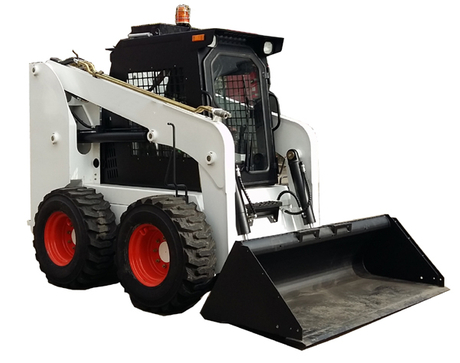
Construction projects, whether large infrastructure developments or smaller urban builds, rely heavily on efficient material handling, logistics, and labor optimization. Among the tools that have revolutionized site productivity is the Mini Dumper — a compact yet powerful vehicle designed to transport and unload materials with ease. This comprehensive guide explains how a Mini Dumper improves construction efficiency, the advantages it offers over traditional equipment, real‑world applications, comparative analyses of different types, and what to consider when selecting the right machine for your needs.
A Mini Dumper is especially valuable on sites with space constraints, uneven terrain, or high workload demands. Unlike manual tools such as wheelbarrows, these machines dramatically streamline workflows, reduce labor costs, and enable crews to complete tasks faster and more safely. Whether you’re in heavy construction, landscaping, or infrastructure maintenance, understanding the role of the Mini Dumper can help you make smarter equipment decisions.
What Is a Mini Dumper?
At its core, a Mini Dumper is a compact construction vehicle engineered to transport materials like soil, gravel, sand, debris, or concrete across job sites. Its small size and robust design make it ideal for navigating tight spaces and difficult terrains that larger vehicles cannot easily reach.
Mini dumpers typically feature:
A tipping bed or bucket for easy unloading of materials
Powerful engines suited for site conditions
Compact frames that enhance maneuverability
Options for tracked or wheeled designs depending on terrain requirements
These traits make the Mini Dumper a versatile and indispensable machine across multiple construction scenarios.
Why Mini Dumpers Improve Construction Efficiency
Improving efficiency on construction sites is essential to reducing costs, accelerating project timelines, and enhancing overall productivity. Below are the key reasons a Mini Dumper significantly boosts efficiency on the job site.
1. Faster Material Handling
The primary function of a Mini Dumper is to move materials quickly from one location to another. Rather than relying on manual labor with wheelbarrows or carts, construction crews can load large volumes of material into a Mini Dumper and transport them swiftly to their destination. This reduces time spent on repetitive trips and allows workers to focus on more value‑added tasks.
2. Enhanced Maneuverability in Tight Spaces
Modern construction sites, particularly in urban or renovation projects, often have limited space. A Mini Dumper’s compact size allows it to operate in narrow corridors and confined sites — areas where larger trucks and equipment can’t reach. Maneuverability ensures materials can be delivered directly to where they are needed without unnecessary repositioning.
3. Reduced Labor and Physical Strain
Transporting heavy materials manually places physical strain on workers, leading to fatigue and sometimes injury. A Mini Dumper takes on this burden, significantly reducing physical labor and associated risks. This leads to smoother workflows and a safer job site environment.
4. Versatility Across Multiple Tasks
Beyond just hauling soil or debris, many Mini Dumper models support attachments or accessories that enable them to perform additional functions — such as excavation, leveling, or lifting. This adaptability means one machine can replace several tools, simplifying logistics and saving on equipment costs.
5. Time and Cost Savings
Time saved on material handling translates directly to cost savings. Fewer trips, reduced labor hours, and more efficient operations help accelerate project timelines and decrease budget overruns. Additionally, compared to larger equipment, Mini Dumpers are generally more fuel‑efficient and have lower maintenance costs.
Key Applications of Mini Dumpers in Construction
The Mini Dumper is not only efficient but also versatile across a range of applications. Below is a breakdown of typical construction tasks where a Mini Dumper adds significant value:
Material Transport
Whether moving gravel, sand, soil, or construction waste, Mini Dumpers excel at transporting these materials across rough terrain, steep gradients, or tight sites.
Site Clearing & Preparation
Before major construction begins, sites must be cleared of debris and leveled. A Mini Dumper helps expedite this process, clearing materials and prepping the area for subsequent work.
Urban Construction Projects
In busy urban environments where space is at a premium, Mini Dumpers provide an efficient solution for moving materials without disrupting nearby infrastructure or requiring large vehicle access.
Landscaping and Grounds Work
Construction sites often include landscaping tasks. A Mini Dumper can transport soil, mulch, and decorative materials efficiently, while also aiding in grading and leveling tasks.
Concrete and Cement Handling
Transporting concrete and cement mixes to precise locations is laborious with manual tools. Mini dumpers streamline this task, ensuring materials are placed quickly and accurately.
Types of Mini Dumpers and Their Advantages
Choosing the right Mini Dumper involves understanding the different types available and their respective strengths. Below is a table showcasing common mini dumper categories and how they stack up.
Type of Mini Dumper | Best For | Strengths | Considerations |
Tracked Mini Dumper | Uneven, muddy, or loose terrain | Excellent traction and stability | Often higher maintenance costs |
Wheeled Mini Dumper | Firm ground and paved sites | Faster travel and greater maneuverability | Less traction on soft ground |
Electric Mini Dumper | Urban or noise‑sensitive sites | Zero emissions and lower operating costs | Limited by battery life on heavy tasks |
Hydraulic Tipping Mini Dumper | Frequent dumping tasks | Precise control and smoother unloading | Slightly more complex systems |
This comparison helps contractors select the most appropriate Mini Dumper for their project based on terrain, load demands, and operational priorities.
Latest Trends in Mini Dumper Technology
The construction equipment industry continues to innovate, and Mini Dumpers are no exception. Key trends shaping their evolution include:
1. Electrification and Sustainability
Electric Mini Dumpers are gaining traction for their environmental benefits and reduced operating costs. Zero emissions and quieter operation make them ideal for urban projects with strict environmental regulations.
2. Enhanced Safety Features
Modern Mini Dumper models now include better operator protection systems, ergonomic controls, and stability enhancements to minimize accidents and promote safer operations.
3. Integration with Smart Site Management
Future Mini Dumpers may integrate with site management software or autonomous logistics systems, further improving workflow planning, asset tracking, and remote operation efficiency. While currently emerging, this reflects broader trends in construction automation.
Real‑World Efficiency Gains: Analysis & Comparison
To quantify how a Mini Dumper improves construction efficiency, consider the following operational analysis comparing traditional manual material handling to using a Mini Dumper:
Productivity Metrics
Metric | Manual Handling (Wheelbarrow) | Mini Dumper |
Trips Needed | Many | Significantly Fewer |
Labor Hours | High | Lower |
Load Volume per Trip | Small | Large |
Overall Time | Longer | Shorter |
Physical Strain | High | Minimal |
This qualitative comparison illustrates that the adoption of a Mini Dumper improves throughput by reducing time, labor, and physical burden. Equipment like tracked or electric models further enhances site adaptability and sustainability goals.
Safety and Operational Considerations
While Mini Dumpers significantly improve efficiency, safe and effective operation requires attention to certain factors:
Operator Training
Proper training ensures that operators can handle the Mini Dumper safely, navigate challenging terrain, and use tipping mechanisms without incident.
Maintenance Protocols
Like all machinery, Mini Dumpers require regular maintenance — from engine checks to hydraulic system inspections. Scheduled upkeep reduces downtime and maintains optimal performance.
Adaptability to Job Site Conditions
Evaluating site conditions helps determine whether a tracked, wheeled, or electric Mini Dumper is most suitable. Matching equipment to terrain and load requirements maximizes efficiency gains.
FAQs
1. What is a Mini Dumper used for?
A Mini Dumper is used to transport and dump materials like soil, gravel, and debris on construction sites, significantly easing material logistics and improving workflow efficiency.
2. What are the main types of Mini Dumpers?
Common types include tracked, wheeled, hydraulic tipping, and electric models — each designed for specific site requirements and terrain conditions.
3. Do Mini Dumpers increase safety on site?
Yes. By reducing manual lifting and incorporating ergonomic controls and stability enhancements, Mini Dumpers help reduce physical strain and workplace accidents.
Conclusion
A Mini Dumper is one of the most effective tools for enhancing construction efficiency in today’s dynamic building environments. From its ability to transport materials quickly and safely to its adaptability in tight or rough terrain, the Mini Dumper helps contractors complete projects faster, with less labor and lower costs. Advancements like electric powertrains and enhanced safety features continue to expand its role in modern construction.
For construction professionals seeking reliable and efficient material handling solutions, DIKKWELL Machinery offers a wide range of Mini Dumper models tailored to diverse project needs, backed by years of industry expertise and customer‑centric service.