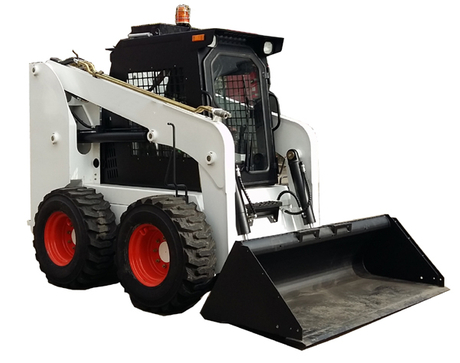
Backhoe loaders are indispensable machines in construction, agriculture, and various other industries due to their versatility and efficiency. Regular and thorough maintenance of your backhoe loader is essential to ensure optimal performance, extend its lifespan, and prevent costly repairs. This comprehensive guide provides detailed maintenance tips and best practices to keep your backhoe loader in excellent condition.
Daily Maintenance Practices
Performing daily checks and maintenance tasks can significantly prolong the life of your backhoe loader.
a. Fluid Level Checks
Engine Oil: Verify that the engine oil is within the recommended range. Low oil levels can lead to increased engine wear and potential failure.
Hydraulic Fluid: Ensure the hydraulic fluid is at the appropriate level to maintain the efficiency of the hydraulic system.
Coolant: Check the coolant level to prevent the engine from overheating, especially during extended operations.
Fuel: Confirm that the fuel tank is adequately filled to avoid operational interruptions.
b. Visual Inspections
Leaks and Hoses: Inspect the machine for any signs of leaks, including oil, hydraulic fluid, or coolant. Examine hydraulic hoses and connections for damage, leaks, or loose fittings.
Structural Components: Check for any visible damage or stress fractures in the loader arms, boom, and other structural parts.
Tire and Track Condition: Ensure tires are properly inflated and free from significant wear. For models with tracks, assess their tension and condition.
c. Air Filter Maintenance
Air Filter Inspection: Regularly inspect the air filter for dirt and debris accumulation. A clogged air filter can reduce engine efficiency and increase fuel consumption.
Cleaning or Replacement: Clean or replace the air filter as necessary, following the manufacturer's recommendations.
d. Tire and Track Inspection
Tire Pressure: Check all tire pressures and adjust them to the manufacturer's specified levels to ensure optimal traction and reduce tire wear.
Track Condition: For tracked models, inspect the tracks for signs of damage, wear, or misalignment.
e. Cleaning After Operation
Debris Removal: After each use, clean the backhoe loader to remove dirt, mud, and debris from all components. This practice prevents buildup that can lead to overheating and mechanical issues.
Undercarriage Cleaning: Pay special attention to the undercarriage, as accumulated debris can cause excessive wear and hinder performance.
Weekly Maintenance Tasks
In addition to daily checks, weekly maintenance tasks help in identifying potential issues before they become significant problems.
a. Greasing Moving Parts
Lubrication: Grease all moving parts, including joints, pivot points, and linkages, to reduce friction and prevent premature wear.
Recommended Grease: Use high-quality grease suitable for the operating conditions and temperature ranges of your backhoe loader.
b. Hydraulic System Inspection
Fluid Levels: Check hydraulic fluid levels and top up if necessary to ensure the hydraulic system operates efficiently.
Filter Examination: Inspect hydraulic filters for cleanliness and replace them if they appear clogged or dirty.
c. Battery Maintenance
Terminal Inspection: Examine battery terminals for corrosion and clean them if necessary to ensure a strong electrical connection.
Charge Level: Check the battery's charge level and recharge if it falls below the recommended range.
d. Belts and Pulleys Examination
Belt Condition: Inspect engine belts for signs of wear, cracks, or damage.
Pulley Alignment: Ensure pulleys are properly aligned and that belts have the correct tension to prevent slippage or excessive wear.
Monthly Maintenance Procedures
Monthly maintenance tasks involve more in-depth inspections and replacements to ensure your backhoe loader operates optimally. Here are the key monthly procedures:
a. Filter Replacements
Engine Oil Filter: Replace the oil filter to remove contaminants and promote engine longevity.
Air Filter: Clean or replace to maintain proper airflow.
Fuel Filter: Inspect and replace to avoid engine issues.
Hydraulic Filter: Change to maintain hydraulic efficiency.
b. Tire and Track Inspection
Tire Pressure and Condition: Ensure tires are properly inflated and check for damage.
Track Tension (for tracked models): Adjust tension as needed to prevent wear.
c. Lubrication of Moving Parts
Grease Joints and Bearings: Lubricate all moving parts to reduce friction.
Recommended Lubricants: Use high-quality grease suited for the operating conditions.
d. Brake System Check
Brake Pads and Discs: Inspect for wear and replace if necessary.
Brake Fluid: Check and top-up if required.
Seasonal Maintenance Considerations
Adapting your maintenance routine to the changing seasons ensures that your backhoe loader operates efficiently year-round.
a. Pre-Season Preparation
Before the onset of heavy usage seasons:
Inspect and Replace Worn Parts: Check components like tires, tracks, and hydraulic hoses for wear and replace them if necessary to prevent failures during peak operation times.
Test Heating and Cooling Systems: Ensure that the heating system is functioning before colder months and that the cooling system is ready for warmer temperatures to prevent overheating.
Review Operator Training: Conduct refresher training sessions for operators to familiarize them with any new features or changes, promoting safe and efficient machine use.
b. Post-Season Storage
After the peak usage period:
Clean and Inspect: Thoroughly clean the machine to remove dirt, debris, and corrosive materials. Inspect for any damage incurred during heavy use.
Lubricate Moving Parts: Apply lubricant to all moving components to prevent rust and ensure smooth operation when the machine is brought back into service.
Store in a Controlled Environment: If possible, store the backhoe loader in a sheltered area to protect it from harsh weather conditions, which can cause deterioration over time.
Best Practices for Backhoe Loader Maintenance
Implementing these best practices will further enhance the reliability and efficiency of your backhoe loader.
a. Adhere to Manufacturer's Guidelines
Always consult and follow the manufacturer's maintenance schedule and guidelines provided in the operator's manual. These guidelines are tailored to your specific model and account for its unique requirements and operating conditions.
b. Maintain a Maintenance Log
Keep a detailed log of all maintenance activities, including inspections, repairs, and part replacements. This log helps track the machine's condition over time and aids in scheduling future maintenance tasks.
c. Invest in Operator Training
Well-trained operators are more likely to handle the equipment properly, reducing the risk of misuse that can lead to premature wear or damage. Investing in comprehensive training programs enhances safety and operational efficiency.
d. Use Quality Replacement Parts
When replacements are necessary, always opt for high-quality or OEM (Original Equipment Manufacturer) parts. Using substandard components can lead to frequent failures and compromise the machine's performance.
Conclusion
Regular and thorough maintenance of your backhoe loader is crucial to ensure its longevity, reliability, and optimal performance. By incorporating daily inspections, routine servicing, seasonal preparations, and adhering to best practices, you can significantly extend the life of your equipment and reduce the likelihood of unexpected repairs. Remember, a well-maintained backhoe loader not only performs better but also contributes to the overall efficiency and success of your projects.