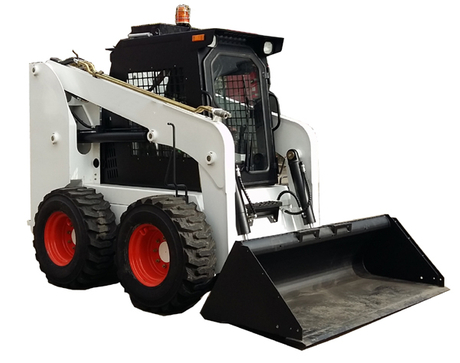
In the construction and roadwork industries, the road roller is an essential piece of machinery used for compaction tasks. Whether you're working on paving roads, constructing foundations, or preparing surfaces for further work, understanding the working principle of a road roller and how to use it efficiently is crucial for achieving optimal results. While this article primarily focuses on backhoe loaders and their roles in construction, we'll also explore the integration of road rollers in various construction tasks, their operational mechanics, and useful tips for better usage.
What Is a Road Roller?
A road roller, also known as a compactor or roller, is a heavy-duty machine used to compact soil, gravel, concrete, or asphalt during construction projects. Road rollers are vital in the preparation of roadways, construction sites, and other infrastructure works, ensuring that surfaces are smooth and stable. Road rollers come in various types, including vibratory rollers, static rollers, and combination rollers, each suitable for different applications.
Working Principle of a Road Roller
Compaction Process
The core working principle of a road roller is based on the concept of compaction. Compaction involves reducing the air voids between particles in the soil or other materials, thereby increasing their density and strength. Road rollers utilize heavy cylinders to apply pressure, thereby compressing the materials below.
Static Compaction: In this type, the weight of the roller itself is used to compress the surface. This is effective for softer soils or materials where heavy compression is needed without vibration.
Vibratory Compaction: A vibratory roller uses oscillation and vibration in addition to weight to compact materials. The vibration increases the efficiency of the compaction by breaking down the air pockets within the materials more quickly.
Combination Rollers: These rollers combine the benefits of static and vibratory compaction, providing versatility across different surfaces and material types.
Components of a Road Roller
Drum: The drum is the primary compaction component of the roller. It can either be smooth or have a pattern that allows for better traction and compaction.
Engine: The engine provides the necessary power to operate the roller. Most modern rollers feature diesel or hybrid engines.
Vibrating Mechanism: For vibratory rollers, the vibrating mechanism plays a vital role in increasing the compaction power.
Hydraulic Systems: These systems are responsible for controlling the lifting and lowering of the roller's drum and other vital components.
Key Functions of a Road Roller
The road roller serves several key functions on construction sites, particularly in road construction and maintenance.
Soil Compaction: When working with large-scale roadwork, soil compaction is one of the first steps to ensure a stable foundation for the subsequent layers of asphalt or concrete.
Asphalt Compaction: Once the asphalt is poured, road rollers are used to compress it, ensuring that the asphalt is smooth, stable, and free of air pockets.
Concrete Compaction: In concrete applications, road rollers are used to compact and smooth the surface before curing.
Backhoe Loader Integration with Road Rollers
While the backhoe loader is known for its digging, lifting, and loading capabilities, its integration with road rollers plays a vital role in the overall construction process. Backhoe loaders are commonly used to excavate or prepare the terrain for compacting by road rollers. In the same way that backhoe loaders are essential for digging trenches and creating foundations, road rollers come in afterward to ensure that the surface is compacted and ready for paving.
How Backhoe Loaders and Road Rollers Complement Each Other
Excavation: A backhoe loader is used for digging and moving soil, while the road roller follows to compact the soil for solid foundation work.
Material Preparation: Backhoe loaders can help in shifting materials that are to be compacted by the road roller. For example, moving gravel or soil to where a roller needs to be applied.
The seamless integration of backhoe loaders and road rollers enhances operational efficiency, ensuring that projects progress smoothly from one stage to the next.
Tips for Using a Road Roller Effectively
1. Ensure Proper Weight and Size for the Task
The weight and size of the roller should be chosen based on the type of material and the task at hand. Heavier rollers are ideal for compacting dense or deep materials, while lighter rollers are suitable for shallower or softer surfaces.
2. Correct Speed for Efficient Compaction
The speed at which the roller operates plays a significant role in the effectiveness of compaction. Operating too quickly can result in inadequate compaction, while moving too slowly can lead to inefficiency. Operators should adjust their speed to ensure even compaction across the entire surface.
3. Use of Water for Smooth Operations
For certain types of soil or materials, using water on the drum can reduce friction, prevent material from sticking, and increase the compaction effectiveness. It's especially useful for clay or sticky materials.
4. Monitor Vibration Levels
If using a vibratory roller, always monitor the vibration settings. The intensity of vibration should be adjusted based on the material being compacted to avoid damage to the surface or over-compaction.
5. Conduct Routine Maintenance
Routine maintenance is essential for keeping a road roller in good working condition. Regularly checking oil levels, hydraulic systems, and drum conditions ensures longevity and reliable performance.
6. Use Proper Safety Equipment
Operators must wear safety gear such as helmets, gloves, and visibility vests to avoid injury while operating road rollers. It's crucial to ensure the safety of both the operator and the surrounding workers on site.
FAQs
1. What is the difference between a vibratory roller and a static roller?
A vibratory roller uses vibration to enhance compaction, making it more efficient for dense and granular materials. In contrast, a static roller relies solely on its weight to compact materials.
2. How do backhoe loaders work with road rollers?
Backhoe loaders are typically used to excavate and prepare the terrain before road rollers are used to compact the surface. Both machines work together to ensure a stable and solid foundation for further construction.
3. Can a road roller be used for asphalt compaction?
Yes, road rollers are essential for compacting asphalt. After the asphalt is poured, road rollers are used to smooth and compress the surface to ensure it is stable and free from air pockets.
Conclusion
The road roller is an indispensable tool for construction, particularly in the preparation of surfaces such as roads, foundations, and more. By understanding the working principle of a road roller and using it in conjunction with other machinery like the backhoe loader, construction teams can ensure that every layer is properly compacted for maximum durability. Whether for road building, landscaping, or infrastructure projects, a well-maintained and correctly used road roller is key to achieving high-quality results.
At DIKKWELL Machinery, we offer an extensive range of construction machinery, including both backhoe loaders and road rollers, designed to meet the diverse needs of our customers in over 50 countries. Our machines are built with the latest technology, ensuring performance, safety, and efficiency. Contact us today to explore our product range and see how we can help you with your next project!