Picking the right skid steer loader can change the way you work. You want a machine that boosts job site productivity and keeps your team safe. The right choice helps you save money, finish projects faster, and avoid headaches. Whether you run a big company or handle smaller jobs, matching your loader to your tasks makes everything easier. You can feel confident when you know what matters most for your needs.
Key Takeaways
Think about what you need for your job before picking a skid steer loader. Look at the kinds of projects you do most to help you choose the best one.
Look at where you work. Pick a loader that can move well in your job area. It should work on rough ground or fit in small spaces.
Look at the loader’s details like engine power, lift type, and how much it can carry. Make sure these match your work needs so it works well.
Think about extra tools that make your loader do more jobs. Pick attachments that help with your usual tasks. This saves you time and money.
Make sure the loader is safe and comfortable for the person using it. Easy controls and a comfy seat help people work better and stay safe.
Assessing Job Needs
Before you pick a skid steer loader, you need to think about your job needs. This step helps you avoid buying a machine that is too big or too small. You want a loader that fits your work, your site, and your schedule. Let’s break it down.
Project Types
Start by asking yourself, “What kind of work will I do most?” Some jobs need a loader for digging, while others need it for lifting or moving materials. Maybe you work in construction, landscaping, or farming. Each job has its own demands.
If you handle heavy tasks like moving gravel or loading pallets, you need a loader with enough power and strength.
For landscaping or small repairs, you might want a compact model that fits in tight spaces.
DIKKWELL’s skid steer loader works well for many project types. You can use it for roadwork, building, farming, or even cleaning up around a warehouse.
Tip: Make a list of your main jobs. This helps you match the right loader to your needs.
Work Environment
Next, look at your job site. Is it indoors or outdoors? Do you have rough ground, mud, or smooth concrete? Some sites have narrow paths or low ceilings. Others have wide-open spaces.
A loader with strong tires or tracks can handle rough or muddy ground.
If you work inside buildings or on ship decks, you need a loader that turns easily and fits through doors.
DIKKWELL’s loaders shine in many environments. You can use them in city streets, farms, airports, or even inside ship cabins. Their design lets you work in places where other machines can’t go.
Think about the weather, too. Wet or icy ground can make some machines slip. You want a loader that stays steady and safe.
Usage Frequency
How often will you use your loader? If you use it every day, you need a tough machine that lasts. If you only use it once in a while, you might want a smaller model that is easy to store.
Daily use means you should look for comfort and easy controls. Your team will thank you for a loader that feels good to drive.
For part-time jobs, focus on a loader that is simple to maintain and quick to set up.
DIKKWELL’s skid steer loader is built for both busy crews and smaller teams. You get a machine that handles many skid steer applications without slowing you down.
Note: Write down how many hours you plan to use your loader each week. This helps you choose a model that matches your work pace.
When you know your project types, work environment, and usage frequency, you can pick the best loader for your job. DIKKWELL’s machines give you the flexibility to tackle many tasks, big or small.
Skid Steer Loader Specifications
When you look for the right skid steer loader, you need to check the specs. These details help you match the machine to your job. Let’s break down the most important things to look for.
Engine Power and Size
The engine is the heart of your skid steer loader. You want enough power to handle your toughest jobs, but you also want a machine that fits your work area. Think about what you need to lift, push, or carry. If you work on big construction sites or move heavy loads, you need more horsepower. For smaller spaces or lighter tasks, a compact engine works well.
Tip: Check the horsepower rating. More horsepower means more strength, but it can also mean a bigger machine.
DIKKWELL’s skid steer loaders come with engines that meet strict CE and EPA standards. This means you get a machine that is both powerful and safe for the environment. You can trust that every loader has passed tough tests for quality.
Lift Type
Skid steer loaders have two main lift types: radial and vertical. Each one works best for different jobs.
Radial Lift: The arms move in an arc. This type is great for digging and working close to the ground. You get strong breakout force for tasks like grading or earthmoving.
Vertical Lift: The arms move straight up. This type is perfect for lifting heavy loads high up. You can load trucks or stack pallets with ease.
Here’s a quick table to help you choose:
Lift Type | Best For | Example Tasks |
Radial | Ground-level work | Digging, grading |
Vertical | Lifting to higher spots | Loading, stacking |
Think about your main jobs. If you need to reach up high, go with vertical lift. If you work mostly at ground level, radial lift is your friend.
Operating Capacity
Operating capacity tells you how much weight your skid steer loader can safely lift. You want a loader that can handle your heaviest loads without tipping over. Always check the rated operating capacity (ROC) before you buy.
For heavy-duty jobs, pick a loader with a high ROC.
For lighter tasks, a smaller ROC is fine and may save you money.
Note: Never overload your machine. It keeps you safe and helps your loader last longer.
DIKKWELL’s loaders offer a range of operating capacities. You can find a model that matches your needs, whether you work on big projects or small ones.
When you look at engine power and size, lift type, and operating capacity, you make sure your skid steer loader fits your work. DIKKWELL’s machines meet top safety and quality standards, so you can work with confidence.
Attachments and Versatility
Attachments can turn your skid steer loader into a true jobsite hero. You can switch from digging to lifting, then sweep up debris, all with the same machine. This flexibility saves you time and money. You do not need to buy extra equipment for every new task.
Common Attachments
You have many choices when it comes to attachments. Here are some of the most popular ones:
Buckets for digging or moving dirt
Forks for lifting pallets or heavy materials
Augers for drilling holes
Sweepers for cleaning up job sites
Grapples for grabbing logs or debris
Tip: Make a list of the jobs you do most. Pick attachments that match those tasks. You can always add more later.
Quick-Change Systems
Changing attachments should not slow you down. DIKKWELL designs its machines so you can swap tools fast. The quick-change system lets you lock in a new attachment in just minutes. You do not need special tools or lots of training. This means you can keep working without long breaks.
Feature | Benefit |
Quick-change system | Less downtime |
Simple locking design | Easy for anyone to use |
Wide attachment range | More jobs with one machine |
You stay productive and ready for anything.
Planning for Future Tasks
Think about what jobs you might take on next year. Maybe you want to add snow removal or landscaping to your services. With DIKKWELL’s attachments and versatility, you can grow your business without buying a new machine. Just add the right tool and get to work.
Note: A little planning now helps you handle new projects later. Your skid steer loader can adapt as your needs change.
Tracked vs. Wheeled Models
Choosing between tracked and wheeled skid steer loaders can feel tricky. You want a machine that fits your job site and handles your daily tasks with ease. Let’s look at what each type offers so you can make the best choice.
Tracked Advantages
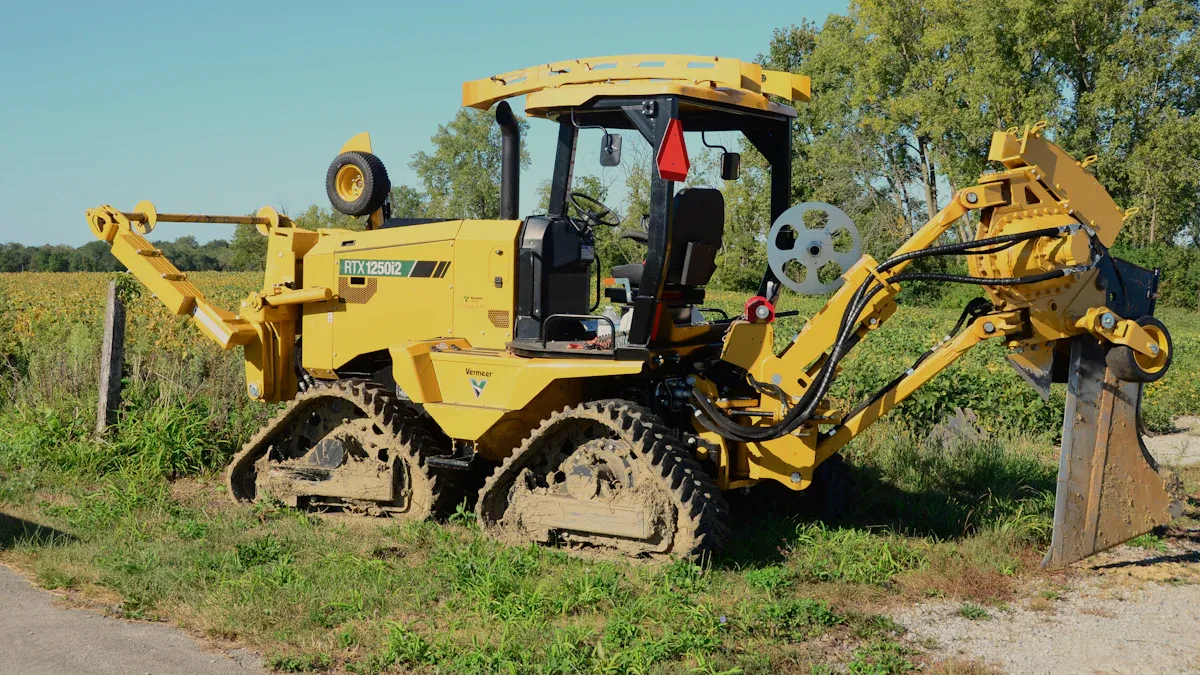
Tracked skid steer loaders use rubber tracks instead of wheels. These tracks spread the machine’s weight over a larger area. You get less ground pressure, which means you can work on soft or muddy surfaces without sinking. Tracked models grip the ground well, so you stay steady even on slopes or rough terrain.
You can work in wet, snowy, or sandy conditions.
Tracks help you avoid tearing up lawns or finished surfaces.
You get better stability when lifting heavy loads.
Tip: If you often work on uneven ground or in bad weather, a tracked loader gives you more confidence and control.
Wheeled Benefits
Wheeled skid steer loaders move fast and turn sharply. You get great maneuverability, especially in tight spaces. Wheels work best on hard surfaces like concrete, asphalt, or packed dirt. These loaders cost less to maintain because tires are easier to replace than tracks.
You can drive quickly from one spot to another.
Wheels make it easy to work inside buildings or on paved lots.
Maintenance is simple and downtime stays low.
Feature | Tracked Loader | Wheeled Loader |
Speed | Moderate | Fast |
Surface Impact | Low | Medium |
Maintenance | Moderate | Easy |
Terrain Adaptability
Think about your job site. Do you work on grass, mud, or gravel? Tracked loaders handle soft and rough ground. Wheeled loaders shine on smooth, solid surfaces. Some sites change with the seasons, so you might need both options.
Note: DIKKWELL offers both tracked and wheeled models. You can pick the one that matches your terrain and work style.
When you know your site conditions, you can choose a loader that keeps you moving and productive.
Operator Comfort and Controls
You spend a lot of time in your skid steer loader. If you feel comfortable and in control, you get more done and stay safe. Operator comfort and controls matter as much as engine power or lift type. Let’s look at what makes a loader easy and pleasant to use.
Cab Design
Step into the cab and notice the difference. A good cab keeps you relaxed and focused. You want a seat that supports your back and lets you adjust your position. Large windows help you see your work area. You avoid blind spots and work with confidence. DIKKWELL’s cab design gives you plenty of space to move. You get climate control options, so you stay cool in summer and warm in winter.
Adjustable seat for all-day comfort
Wide entry for easy access
Clear views for safer operation
Tip: Try sitting in the cab before you buy. Make sure you fit well and can reach all the controls.
Control Options
Controls should feel natural in your hands. You want to steer, lift, and switch attachments without thinking too much. DIKKWELL offers joystick controls that respond quickly. You can choose between hand or foot controls, depending on what feels best. Simple buttons and levers help you work faster and make fewer mistakes.
Control Type | Benefit |
Joystick | Smooth, easy movement |
Hand/Foot | Personal preference |
Simple layout | Quick learning curve |
You learn the system fast and keep your focus on the job.
Safety Features
Safety keeps you working and protects your team. Look for features like seat belts, rollover protection, and emergency shut-off switches. DIKKWELL’s loaders include bright lights for night work and backup alarms for busy sites. You get peace of mind knowing your machine helps prevent accidents.
Note: Always check safety features before you start your loader. A safe machine means a safer job site.
When you choose a loader with great operator comfort and controls, you boost your productivity and keep everyone safe. DIKKWELL’s ergonomic design puts you first, so you can tackle any task with confidence.
Maintenance and Support
Keeping your skid steer loader in top shape helps you get more work done and avoid costly delays. When you choose a loader, think about how easy it is to maintain, how quickly you can get parts, and how close your dealer is. Let’s break down what you need to know.
Serviceability
You want a loader that makes maintenance simple. Look for machines with easy-to-reach service points. This means you can check fluids, change filters, and inspect parts without a hassle. DIKKWELL uses a modular assembly system. Each part fits together in a smart way, so you can swap out components fast. You also get full traceability for every part. If you ever need a replacement, you know exactly what to ask for.
Tip: Check if you can open panels and reach key parts without special tools. This saves you time and keeps your loader running strong.
Dealer Network
A strong dealer network means help is never far away. You want a dealer who stocks the parts you need and can answer your questions. DIKKWELL has a growing network of dealers ready to support you. When you buy from a trusted dealer, you get more than just a machine. You get advice, training, and fast service when you need it.
Here’s what to look for in a dealer:
Brand Reputation
Brand reputation matters. You want a company that stands behind its products. DIKKWELL has earned a name for quality and reliability. Their technical support team helps you solve problems quickly. You can trust that your loader will last and that help is always available.
What to Consider | Why It Matters |
Easy maintenance | Less downtime |
Dealer proximity | Faster repairs |
Strong reputation | Peace of mind |
Note: Choosing a loader with great support means you spend more time working and less time worrying.
You have a lot to think about when picking a skid steer loader. Look at your job needs, machine specs, attachments, undercarriage, comfort, and support. Choose a loader that fits your work today and can grow with you tomorrow. Want help? Talk to a DIKKWELL expert for advice that fits your job. Ready to see what’s possible? Explore DIKKWELL’s lineup or ask for a demo. Your perfect loader is waiting!
FAQ
What size skid steer loader should I choose?
You should match the loader size to your main tasks. For tight spaces or light work, pick a compact model. For heavy lifting or big jobs, go with a larger machine. Think about your job site and daily needs.
Can I use different attachments with my DIKKWELL skid steer loader?
Yes! DIKKWELL loaders support a wide range of attachments. You can switch between buckets, forks, augers, and more. The quick-change system makes swapping tools fast and easy.
How do I maintain my skid steer loader?
Check fluids, inspect filters, and clean the machine often. DIKKWELL’s modular design helps you reach service points quickly. > Tip: Follow the maintenance schedule in your manual to keep your loader running strong.
Are tracked or wheeled models better for my job?
Tracked models work best on soft, muddy, or uneven ground. Wheeled models move faster on hard surfaces like concrete. Think about your usual job site. Pick the model that fits your terrain.