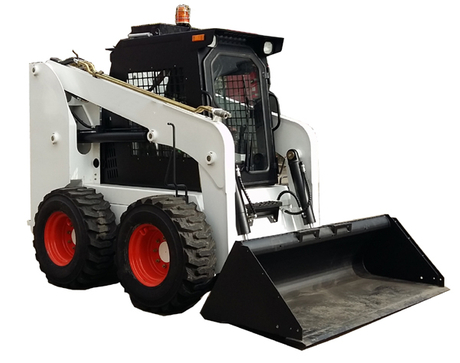
In recent years, the construction industry has faced growing pressure to become more environmentally responsible. With climate change, pollution, and urban noise all emerging as pressing concerns, both governments and consumers are calling for cleaner, quieter, and more sustainable solutions. One of the most impressive technological advancements answering this call is the electric excavator. These machines combine modern electric power with the rugged functionality of traditional excavators, offering a powerful, clean alternative that is transforming the way construction is done.
Electric excavators are no longer an experimental concept. They are here, they are working on real-world job sites, and they are proving that sustainable construction does not mean compromising on performance. From reducing emissions to making urban projects easier, electric excavators are rapidly earning a permanent place in the future of construction.
What is an Electric Excavator?
An electric excavator is a construction machine that performs the same tasks as its diesel counterpart—digging trenches, moving earth, lifting materials—but it is powered entirely by electricity. Instead of using a combustion engine, these machines rely on electric motors that draw energy from rechargeable battery packs. Some models use lithium-ion batteries, while others may plug directly into power sources when needed.
Despite this shift in power source, electric excavators retain the same structure and functionality as conventional models. They include a boom, dipper, and bucket for digging, and they operate on tracks or wheels. The main difference lies under the hood: the engine is gone, replaced by a quiet, clean, and highly efficient electric motor.
Why the Shift Toward Electric?
One of the biggest reasons for the growing interest in electric excavators is the global push toward lower emissions. Construction equipment powered by diesel engines contributes significantly to air pollution, especially in cities. Diesel exhaust includes harmful substances such as carbon dioxide, nitrogen oxides, and particulate matter—all of which are damaging to both people and the environment. Electric excavators, in contrast, produce no direct emissions, making them ideal for environmentally sensitive projects or work within emission-regulated areas.
Another key factor is noise. Traditional excavators generate a great deal of engine noise, making them disruptive in residential neighborhoods, near schools, or on night-time job sites. Electric excavators are remarkably quiet, often making less noise than a typical household vacuum cleaner. This lower noise level allows construction to take place in areas where sound pollution is a concern and helps reduce operator fatigue and stress over long working hours.
Beyond the environmental and noise benefits, electric excavators are also easier and cheaper to maintain. Electric motors have fewer moving parts than combustion engines, meaning there’s less that can go wrong. There's no need for oil changes, fuel filters, or exhaust system maintenance. Over time, the reduction in service and fuel costs can more than offset the initially higher price of the machine.
Where Electric Excavators Excel
One of the most exciting aspects of electric excavators is the wide range of applications where they provide a clear advantage. In urban construction, for instance, where tight spaces, strict noise laws, and clean air zones make traditional machinery problematic, electric excavators allow work to proceed without these complications. Contractors can operate longer hours without disturbing residents or breaking regulations.
They are also ideal for indoor projects or underground construction, such as tunneling or basement renovation. Since they emit no fumes, they eliminate the need for costly ventilation systems to clear out harmful gases. In these cases, electric models provide both a practical and financial advantage.
Green building projects are another area where electric excavators shine. Developers aiming for environmental certifications or adhering to eco-friendly standards prefer to use machines that reflect their commitment to sustainability. Electric excavators not only help meet these goals but also serve as a visible demonstration of a company’s values.
Even in environmentally sensitive outdoor areas such as parks, conservation sites, or farmland, electric excavators can complete their tasks without harming the surrounding ecosystem. Their quiet operation avoids disturbing wildlife, and their clean energy use ensures that the soil and air remain uncontaminated.
Power and Performance
One concern often raised is whether electric excavators can truly match the power and effectiveness of diesel models. The answer is yes—especially for compact and mid-size machines. Modern electric excavators are equipped with powerful motors that provide instant torque, which is the force needed to dig, lift, or move material. Because electric motors deliver full torque instantly, many operators actually report that these machines feel more responsive and smoother to use than diesel models.
Battery life is also advancing rapidly. Many current models can operate for an entire workday—often 6 to 8 hours—on a single charge. For jobs requiring extended use, contractors can rotate machines, use fast chargers, or even swap battery packs. As battery technology continues to evolve, we can expect longer runtimes and faster charging in the near future.
Charging and Infrastructure
Charging electric excavators is straightforward but does require planning. For small machines used on short tasks, charging overnight using a standard outlet may be sufficient. Larger machines or continuous operations will benefit from job-site charging stations or mobile power units. In some cases, solar panels or portable battery trailers are used to provide sustainable energy directly at the site.
With the global shift toward electric vehicles, charging infrastructure is becoming more common and more advanced. Construction sites are beginning to mirror this trend by including charging capabilities in their early planning stages. Contractors who prepare for electric equipment usage now will be well-positioned for future success.
Overcoming Challenges
While electric excavators bring many advantages, some challenges still remain. The most obvious is the higher initial cost. Electric machines are generally more expensive to purchase than diesel models, mainly due to battery and motor technology. However, over time, the lower operating and maintenance costs make them an economically sound investment. Many governments also offer subsidies, tax credits, or grants to encourage the purchase of electric construction equipment, helping offset upfront expenses.
Another challenge is limited availability in certain size ranges. While compact electric excavators are widely available, large-scale electric models are still under development. For contractors needing heavy-duty equipment, this can limit their ability to go fully electric. But as demand grows and manufacturers scale production, more options will become available across all sizes.
Workforce training is another consideration. Operators and mechanics accustomed to diesel equipment may need to learn new skills to work with electric systems. Fortunately, the controls are often very similar, and many operators report that transitioning to electric models is smooth and intuitive.
The Future of Construction is Electric
The rise of electric excavators is just one part of a broader movement toward cleaner, smarter construction practices. From electric trucks and cranes to battery-powered tools and generators, the industry is undergoing a transformation that is both necessary and exciting. Governments are pushing for change, clients are demanding greener options, and technology is rising to meet those expectations.
Electric excavators represent a practical, proven solution for contractors looking to reduce their environmental impact without giving up the power and performance they need. Their benefits go beyond compliance—they improve job site comfort, reduce long-term costs, and open new opportunities in sensitive environments. Most importantly, they allow the construction industry to play an active role in protecting the planet while still building the future.
Conclusion
The message is clear: zero emissions no longer mean zero power. Electric excavators have arrived, and they are changing the way we build. With their quiet operation, clean energy, and lower maintenance requirements, they offer a smarter, more sustainable choice for a wide range of projects. From urban sites to indoor jobs and eco-friendly developments, these machines deliver real performance with none of the pollution.
As battery technology improves and charging infrastructure expands, the advantages of electric excavators will only become more compelling. Forward-thinking contractors, developers, and governments are already embracing this change. Those who do so now are not just adopting a new tool—they are joining a movement that is reshaping construction for the better.
If you're involved in construction and looking for a way to boost sustainability while maintaining strong performance, electric excavators offer a promising path forward. They prove that it’s possible to dig deep and build big—without leaving a heavy mark on the environment.